A Walk Through the ICML 2026 Sponsor Booths
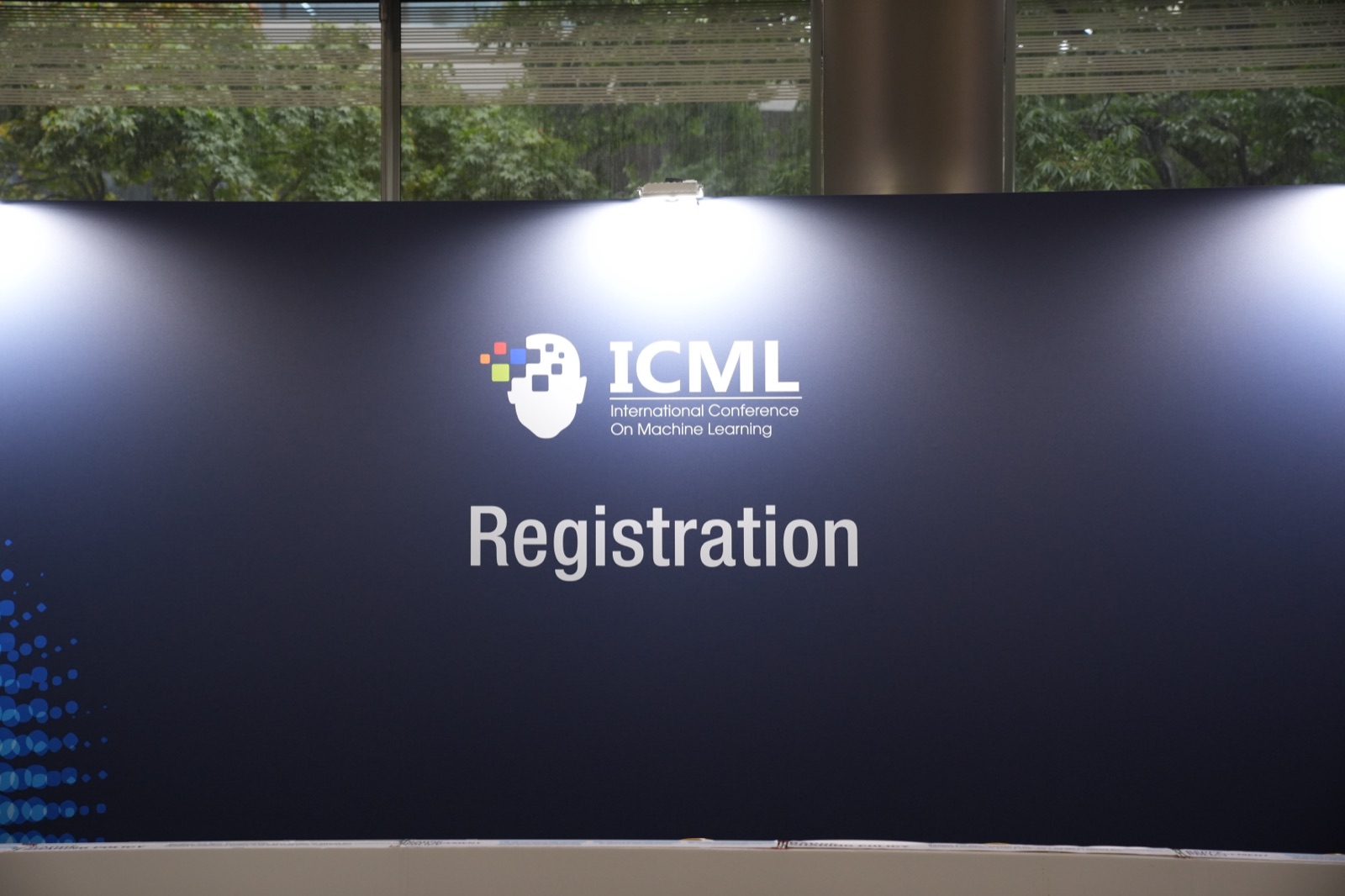
Industry seems to have a growing influence on academia these days. At ICML 2026 in Seoul, the sponsor section took over an entire exhibition hall. Here are some impressions from walking around, with photos.
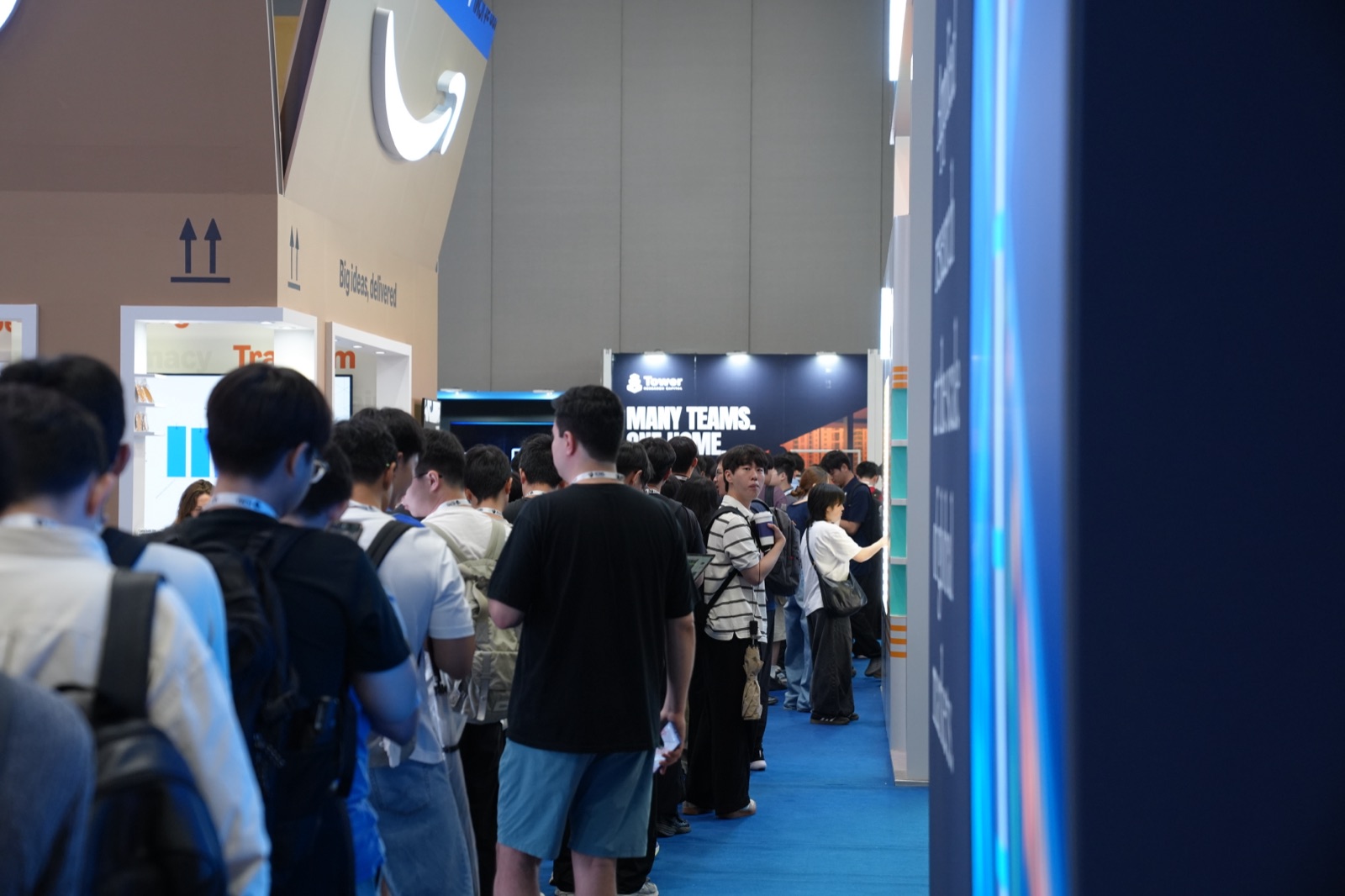
Big Tech
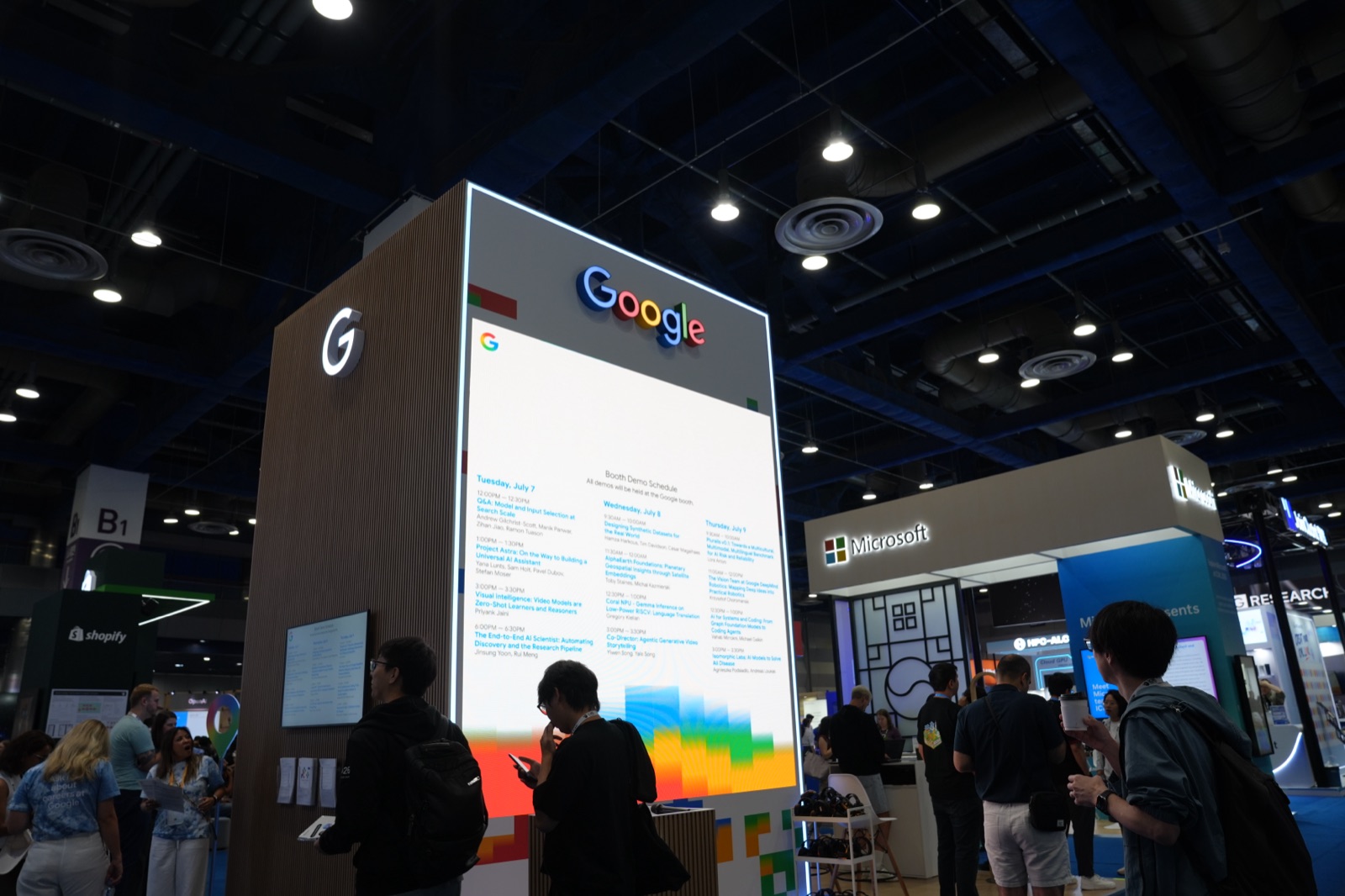
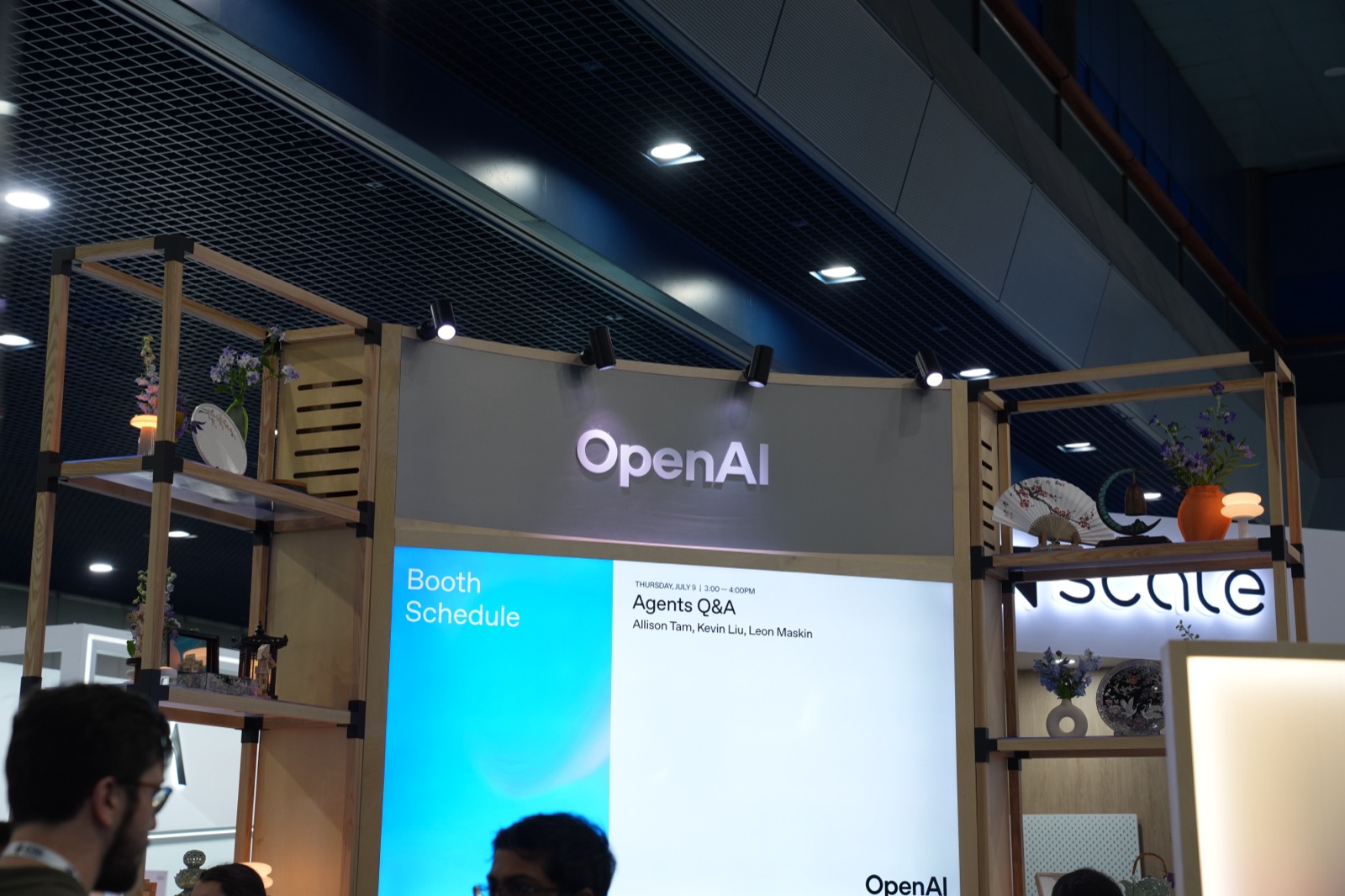
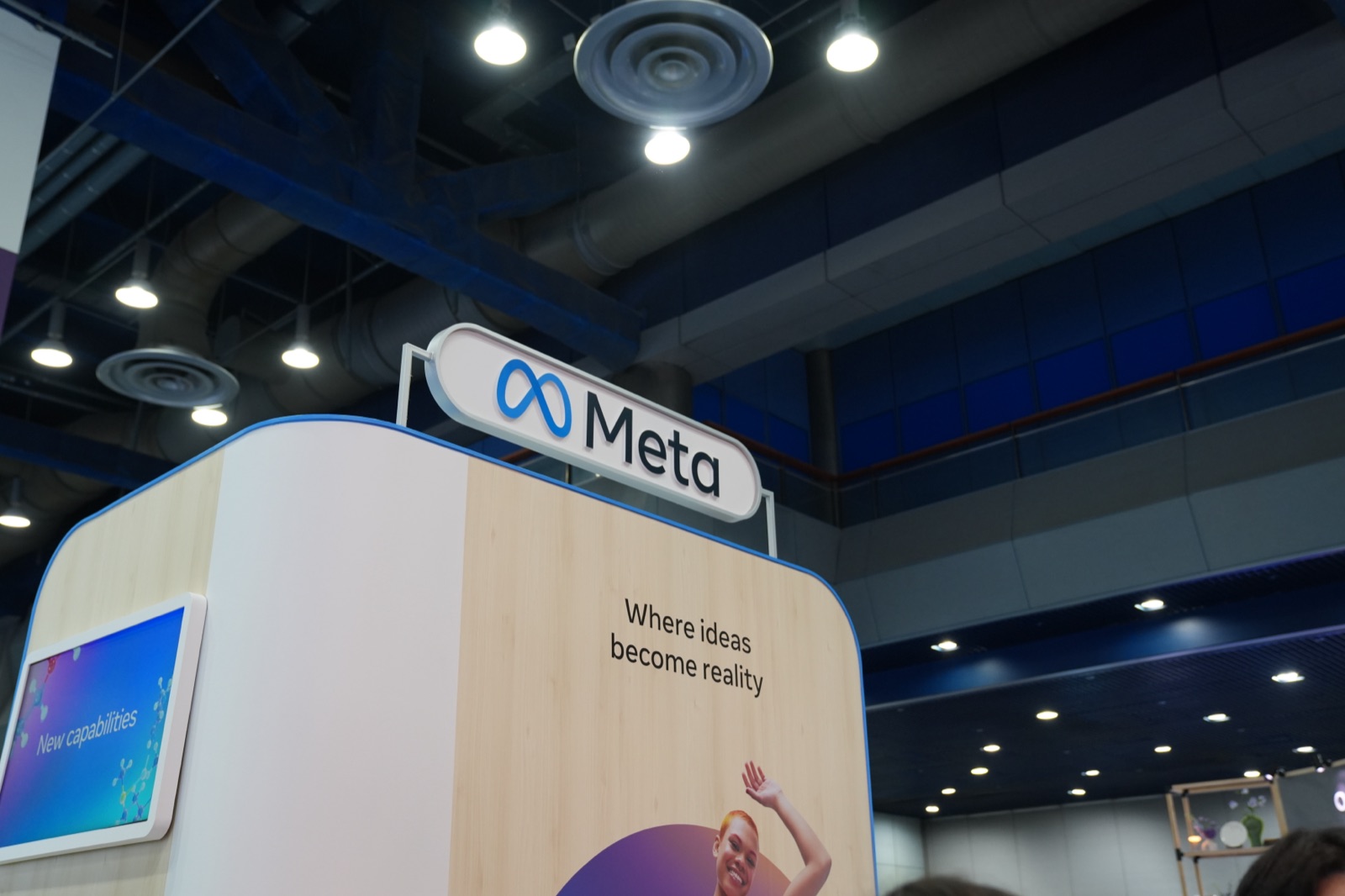
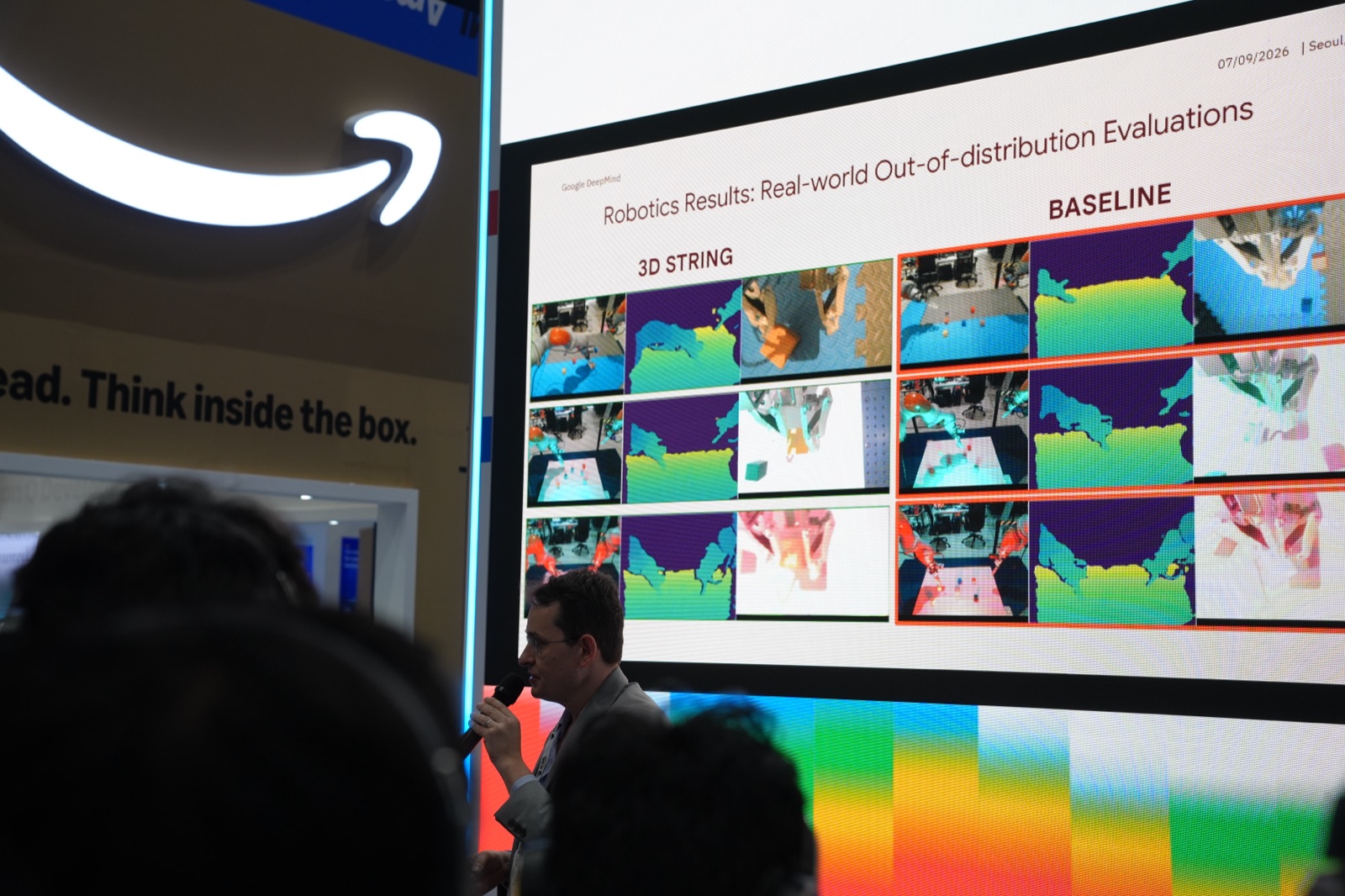
Companies like OpenAI, Google, Apple, Meta, Amazon, and Microsoft had the largest footprints. They all ran things in a similar way:
- Lightning talk sessions — researchers took turns presenting their work on the booth stage
- Researchers on site, by team — you could walk up to a researcher in the area you care about and ask questions directly
Apparently Noam Brown also came by for a talk, but I couldn’t make it — no time. 😢
Recruiting felt like the biggest goal.
Bonus: NAVER
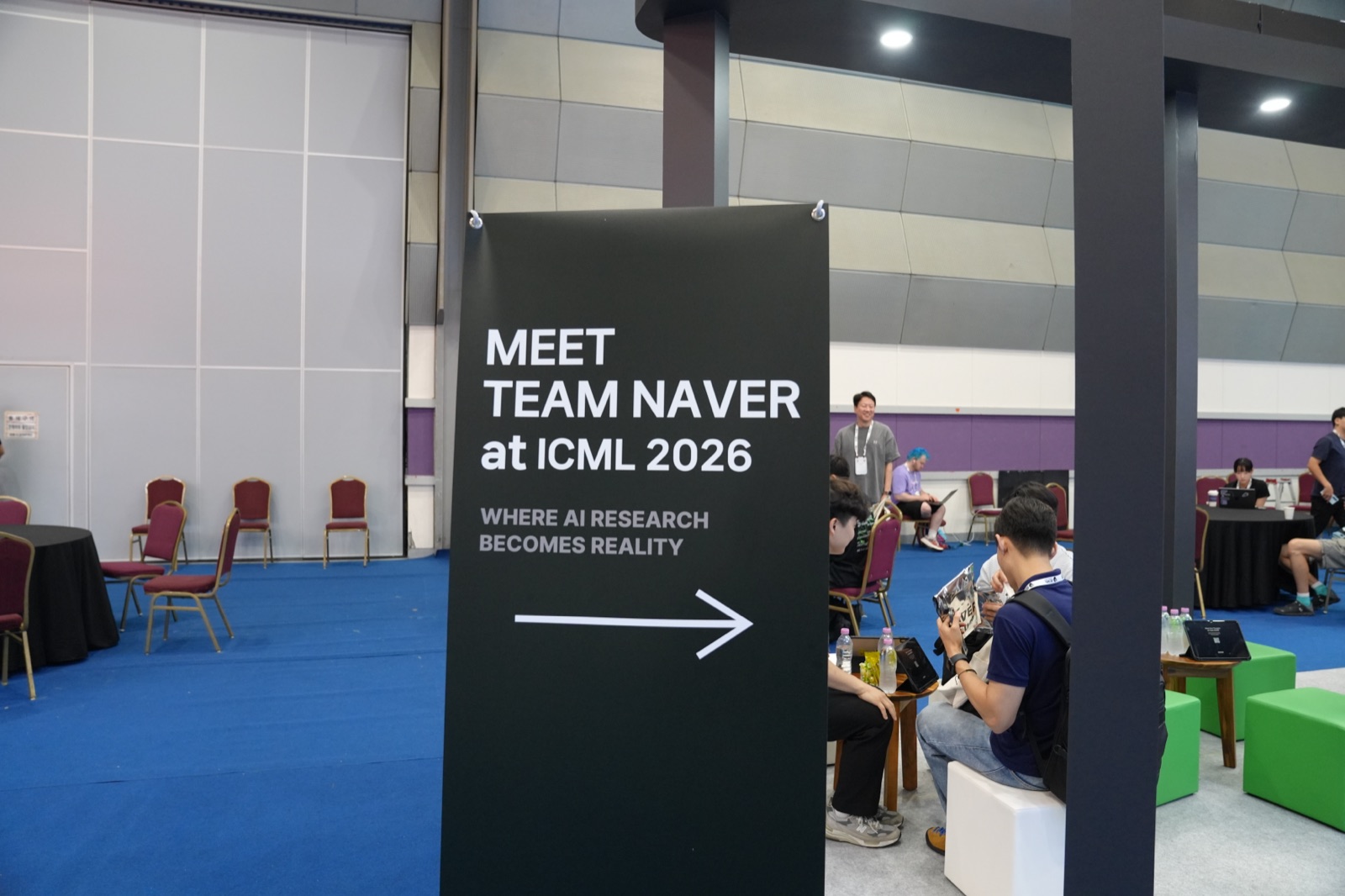
NAVER also had a booth, run much like the big tech ones. Researchers from each area were around, so you could chat about whatever field you’re into.
Frontier Labs Outside the US
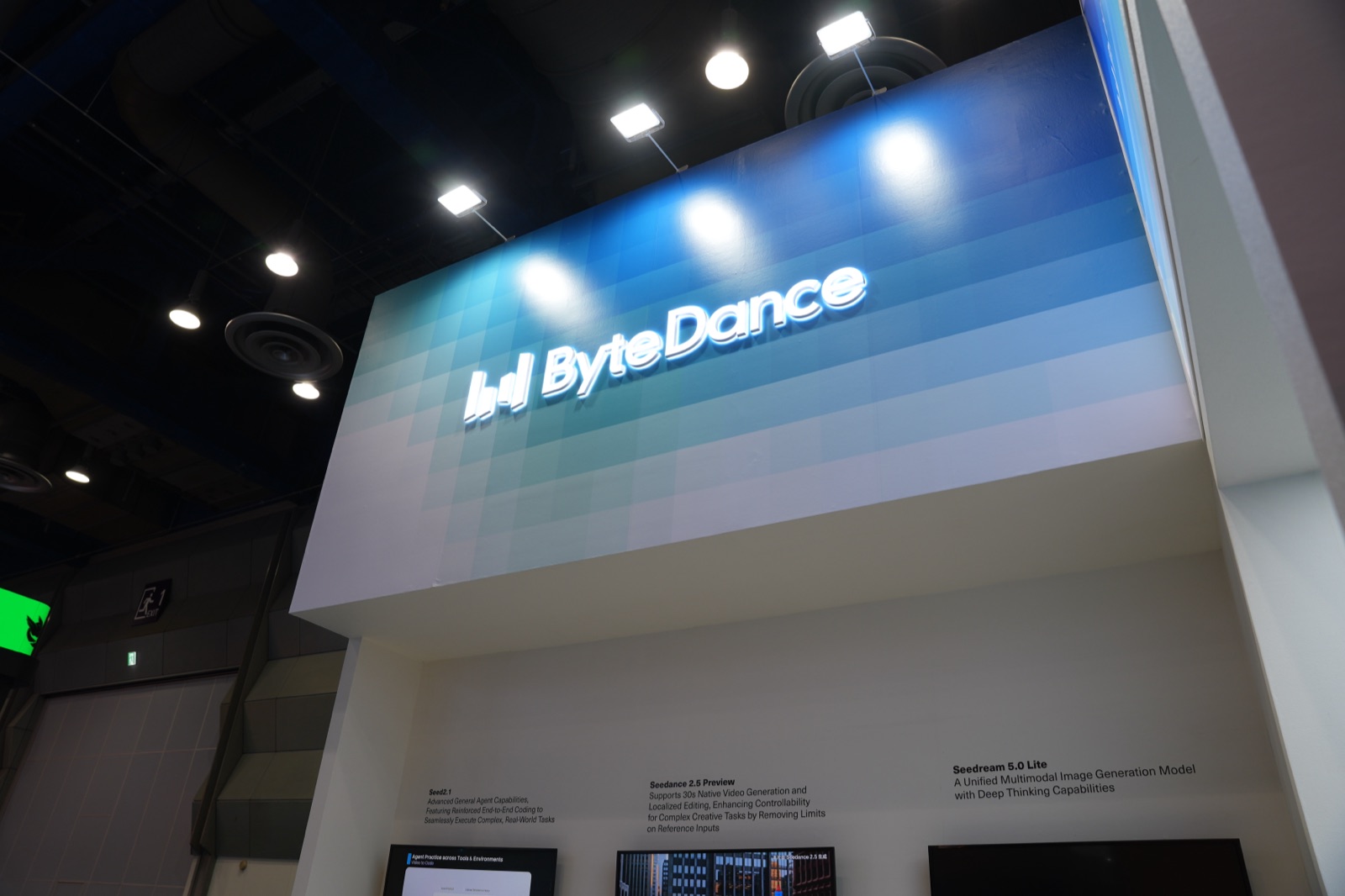
Frontier labs from outside the US were there too — Mistral, ByteDance, Alibaba, and Xiaomi. Mostly recruiting-focused as well.
Neoclouds, Infrastructure, and Inference
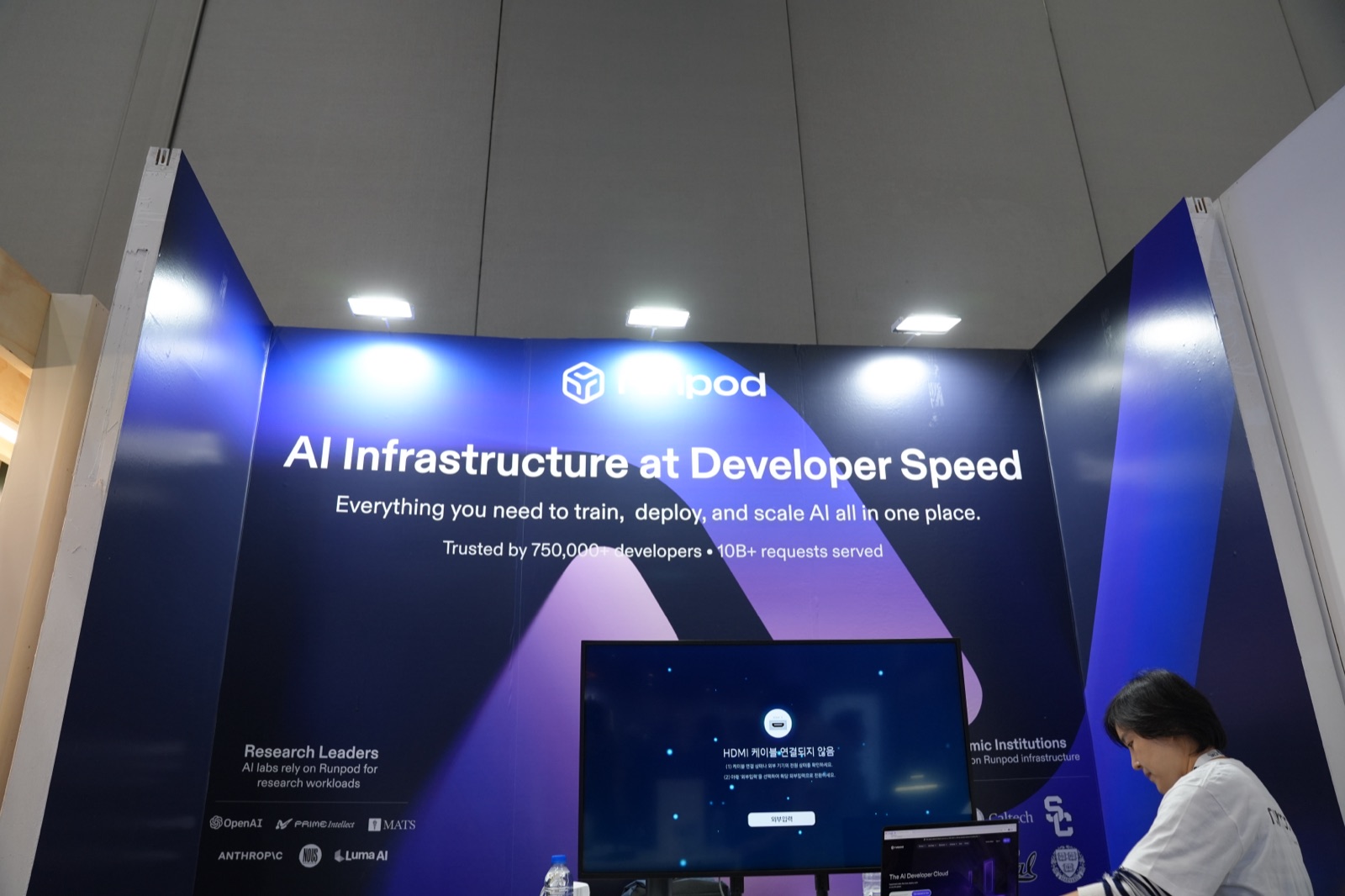
A range of neocloud companies had booths — Runpod, Together AI, Nebius, and more. Recruiting seemed to be the main goal here too.
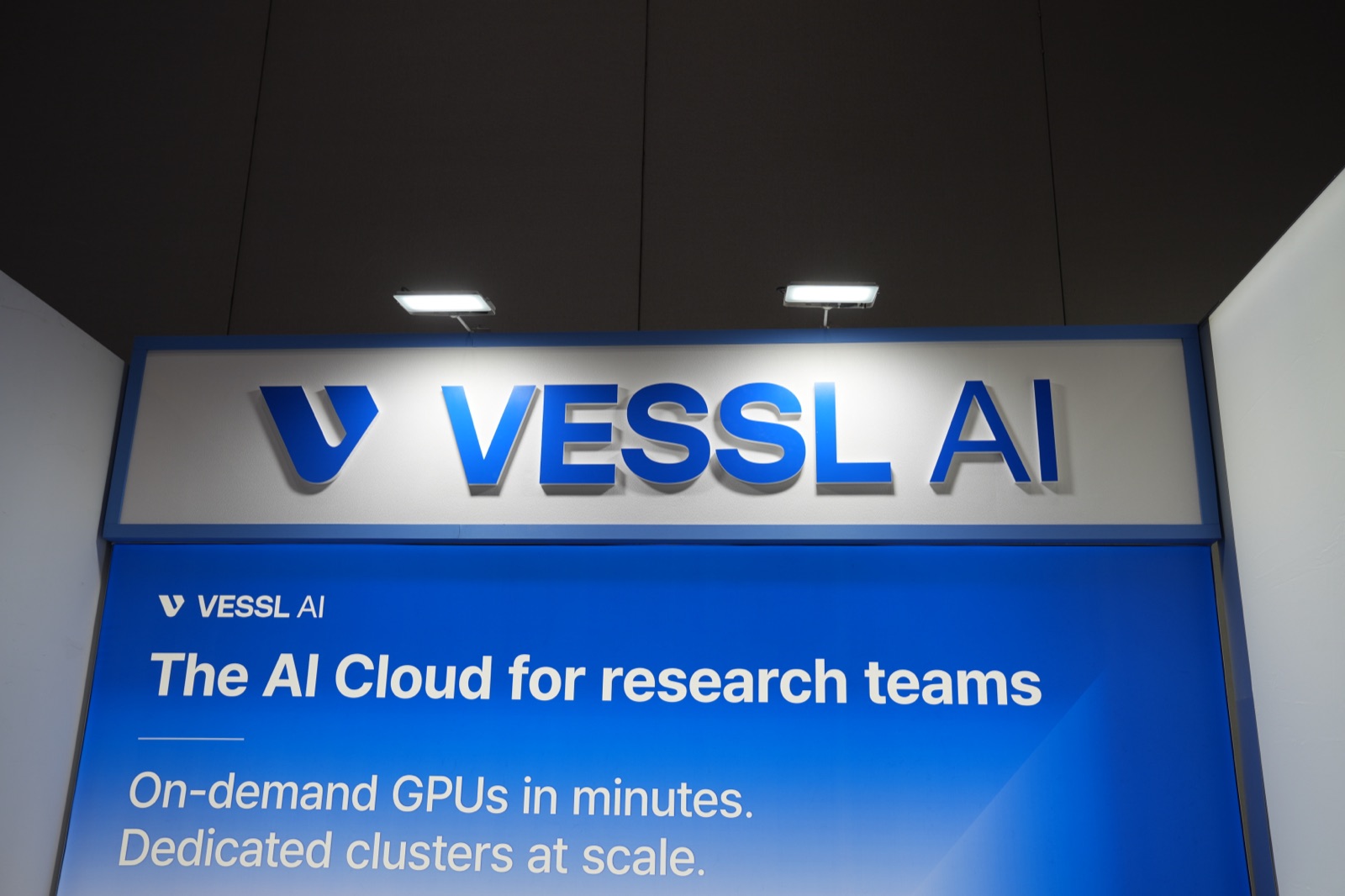
VESSL AI — a GPU cluster provider. A business where securing lots of good GPUs is what matters, positioned similarly to Lambda Labs.
FriendliAI — inference optimization. The business model is leasing GPUs, serving models on them, and selling the API — a game of how efficiently (price, bandwidth, latency) you can serve.
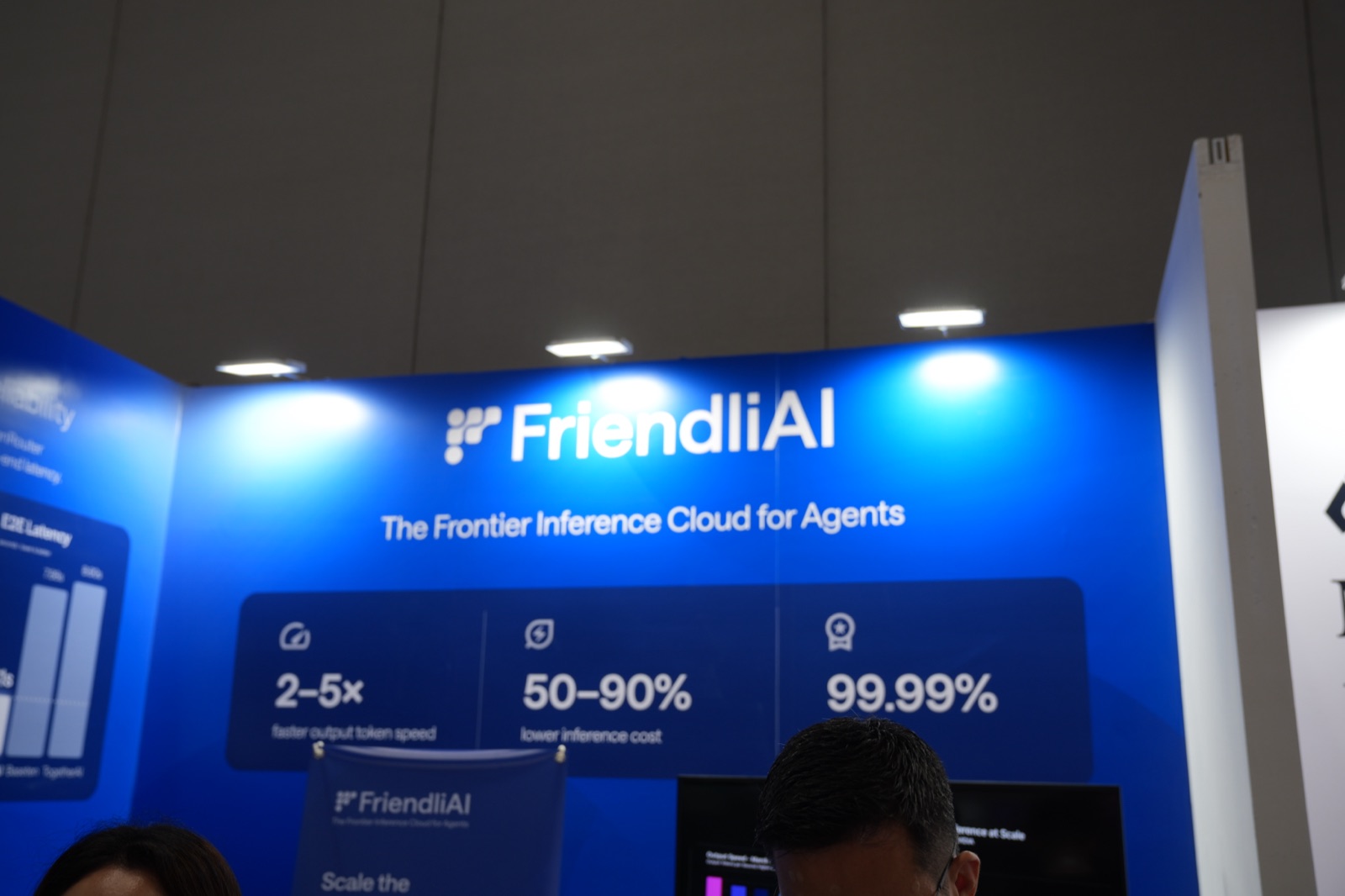
A side note: this company has deep ties to vLLM, the open-source project that first comes to mind for inference optimization. FriendliAI was founded by professor Byung-Gon Chun of Seoul National University (currently on leave), building on his lab, the Software Platform Lab. Continuous batching (iteration-level scheduling) — now a standard technique in modern LLM serving engines including vLLM — was first proposed in the team’s Orca paper (OSDI 2022) (see the FriendliAI blog). Gyeong-In Yu, Orca’s first author and Chun’s former PhD student, is now the CTO — and vLLM co-creator Woosuk Kwon co-authored Nimble (NeurIPS 2020) in the same lab back when he was an undergrad at SNU.
Korean companies like HyperAccel (accelerators) and Nota AI (optimization) were there as well.
Data Collection Companies
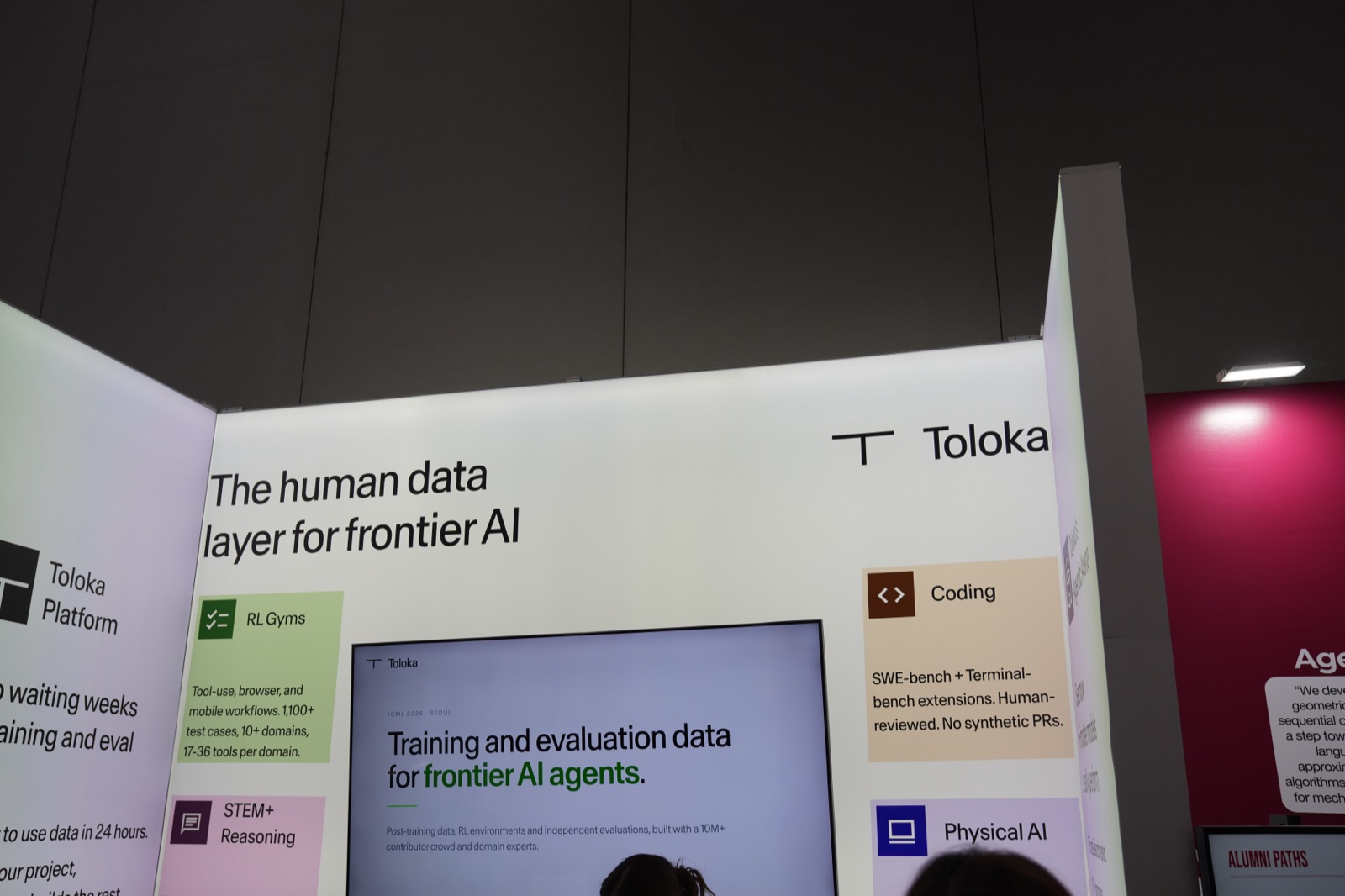
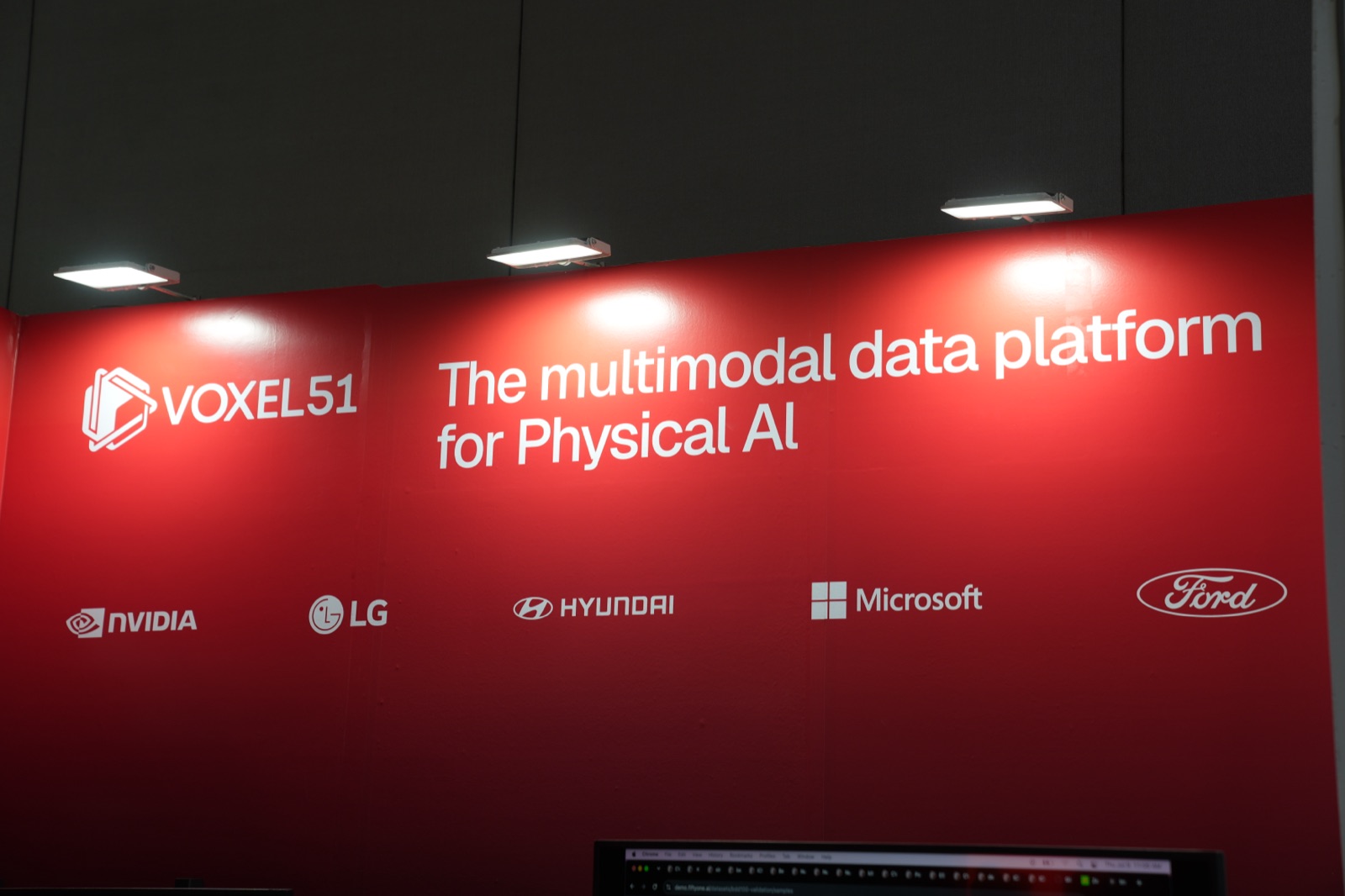
Data companies stood out too — Scale AI, Voxel51, and Toloka.
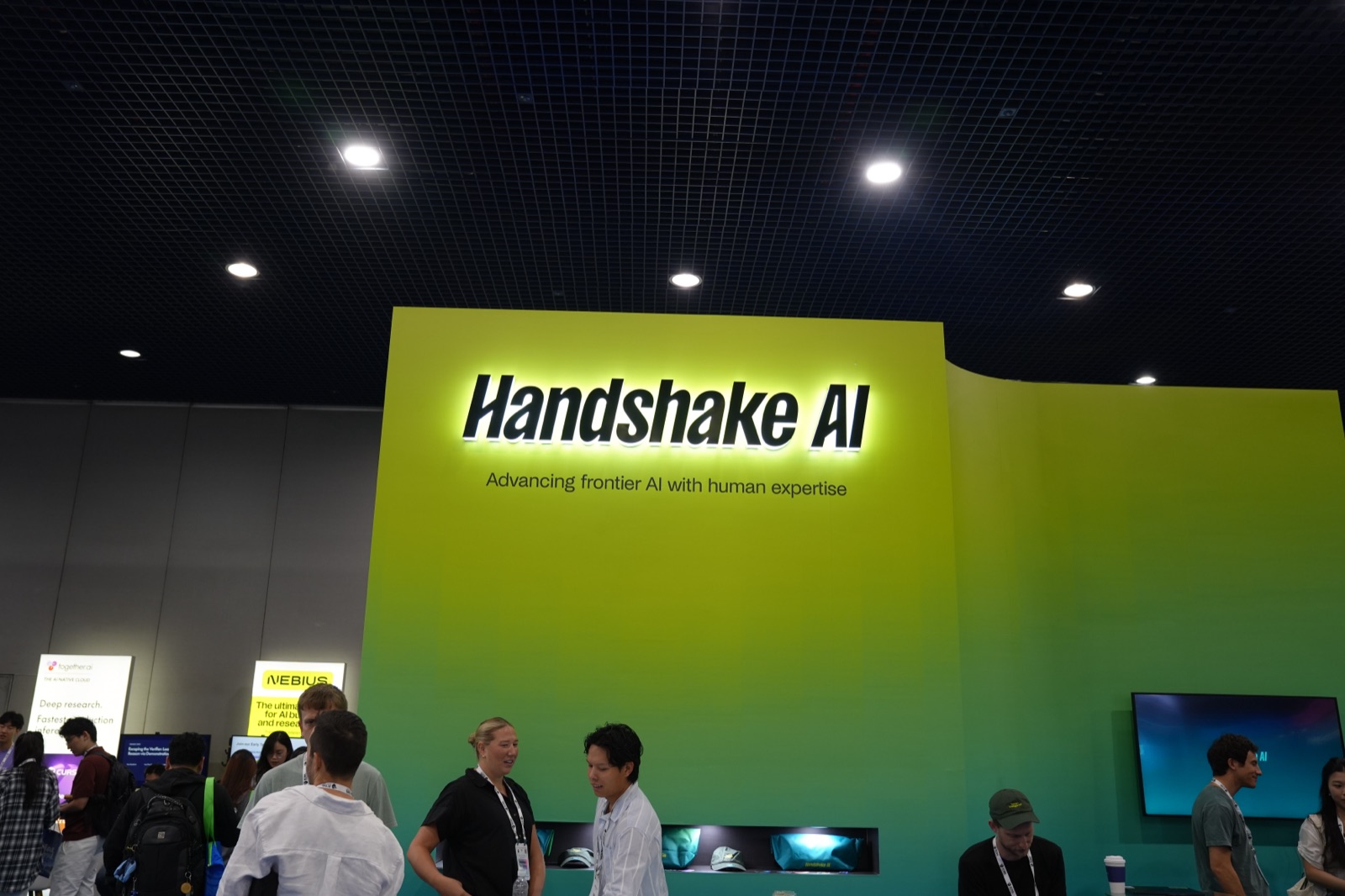
Handshake AI — a company that collects and sells data. They gather data from undergrads (math, languages, you name it) and sell it to frontier labs.
Other Booths That Left an Impression
General Intuition — a world-model lab spun out of the game-clip platform Medal. At the booth they were demoing MIRA, a multiplayer world model trained on Rocket League.
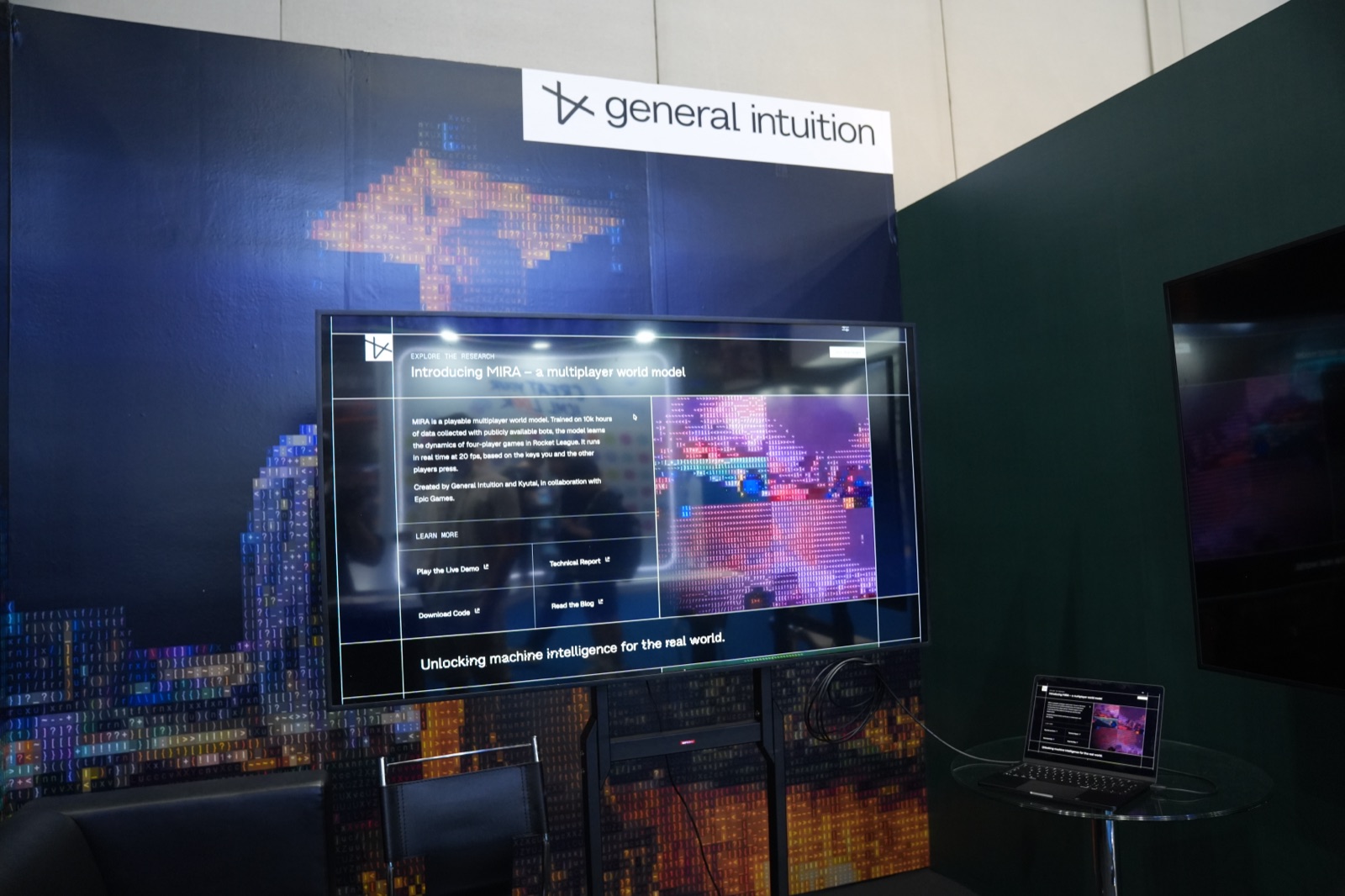
MIRA is a “playable multiplayer world model” built with Kyutai in collaboration with Epic Games. The blog post, technical report, and code are all public, and you can even play it in the browser. In short:
- A 5B-parameter diffusion transformer plus a 600M video representation codec, running diffusion forcing in latent space
- Trained on ~10,000 hours of Rocket League 2v2 matches collected via bot self-play — reproducing game dynamics like boosts and collisions purely through video prediction, with no physics engine or renderer
- Conditions on the key inputs of up to four players at once, running in real time at 20 fps on a single B200 GPU
- Despite training only on short clips, rollouts stay stable past the 5-minute measurement limit — in practice, for hours
- The training/inference code is open source, along with the 1,000-match-hour Rocket Science dataset (~4,000 hours across four viewpoints) on Hugging Face
The funding story is a talking point too. They raised a $133.7M seed in October 2025 led by Khosla Ventures and General Catalyst (TechCrunch), and eight months later, in June 2026, a $320M Series A at a $2.3B valuation with participation from Jeff Bezos, Eric Schmidt, and others (TechCrunch). Medal’s action-labeled gameplay data (hundreds of millions of hours) is the core asset, but as I heard at the booth, they don’t sell the data — the plan is to sell the agent models themselves.
ElevenLabs — someone from the Scribe (STT) team was there and shared a lot.
METR — I was curious about them, but sadly no one was at the booth.
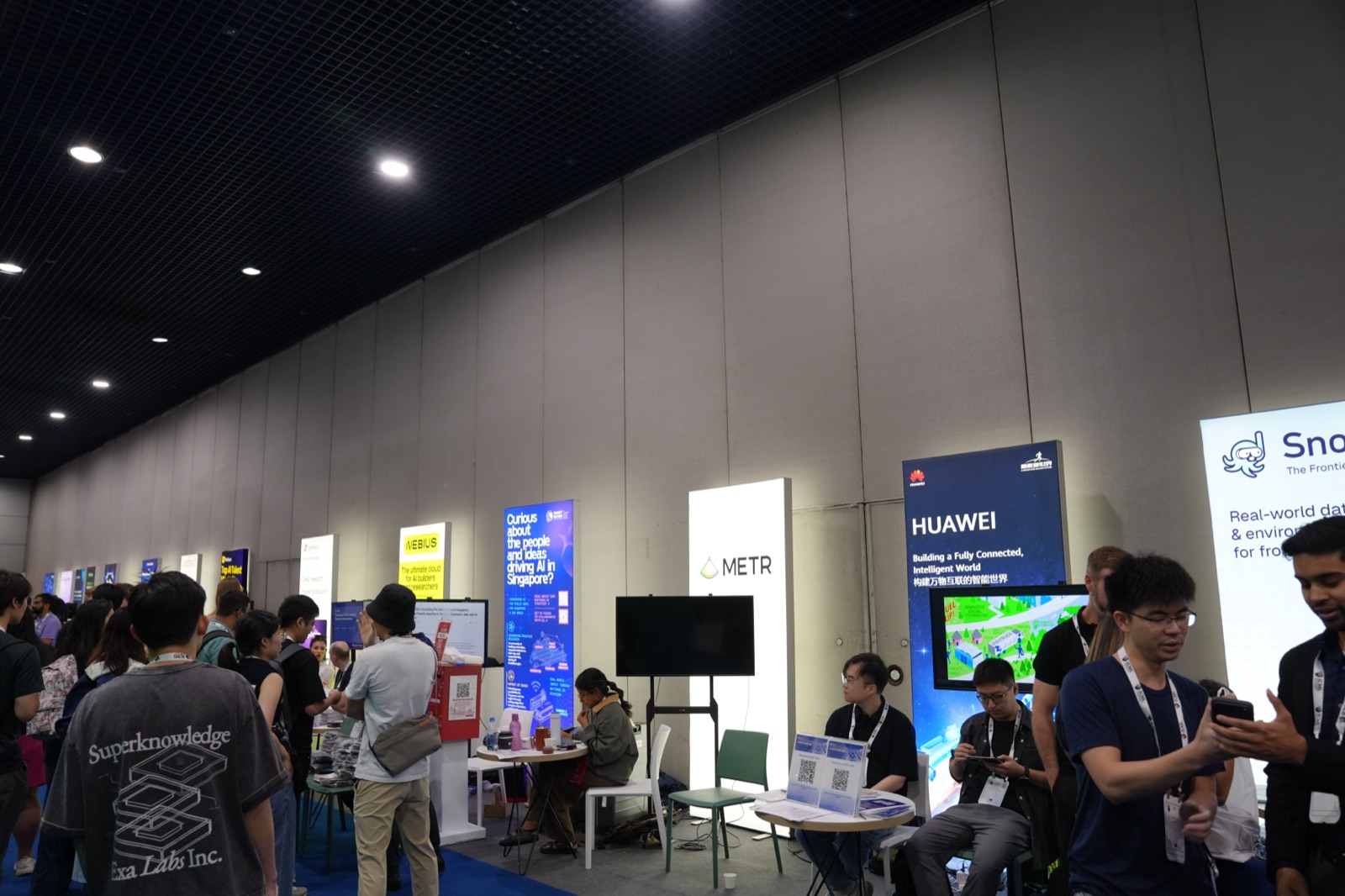
There were also interpretability and alignment booths like Goodfire and MATS.
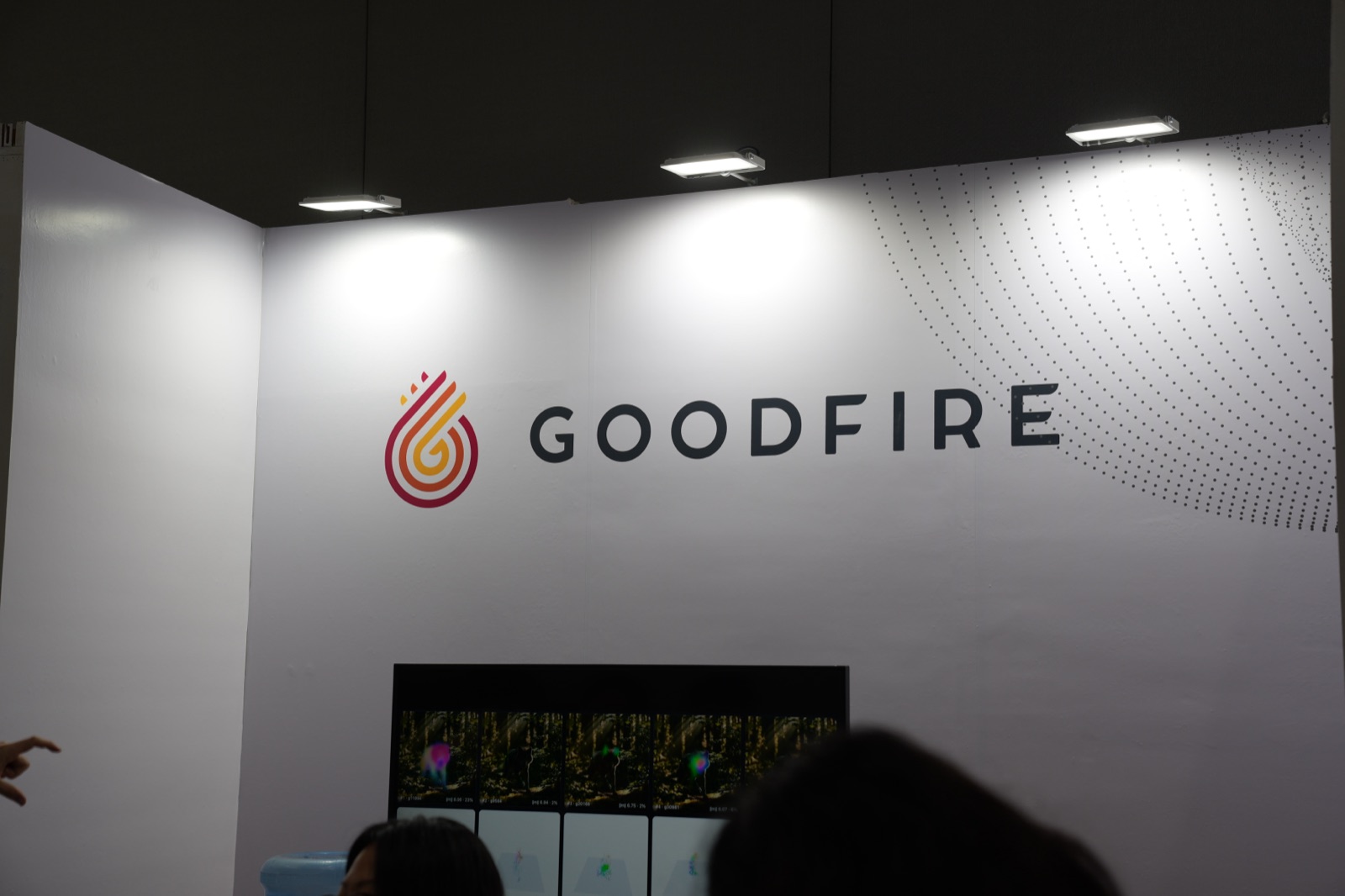
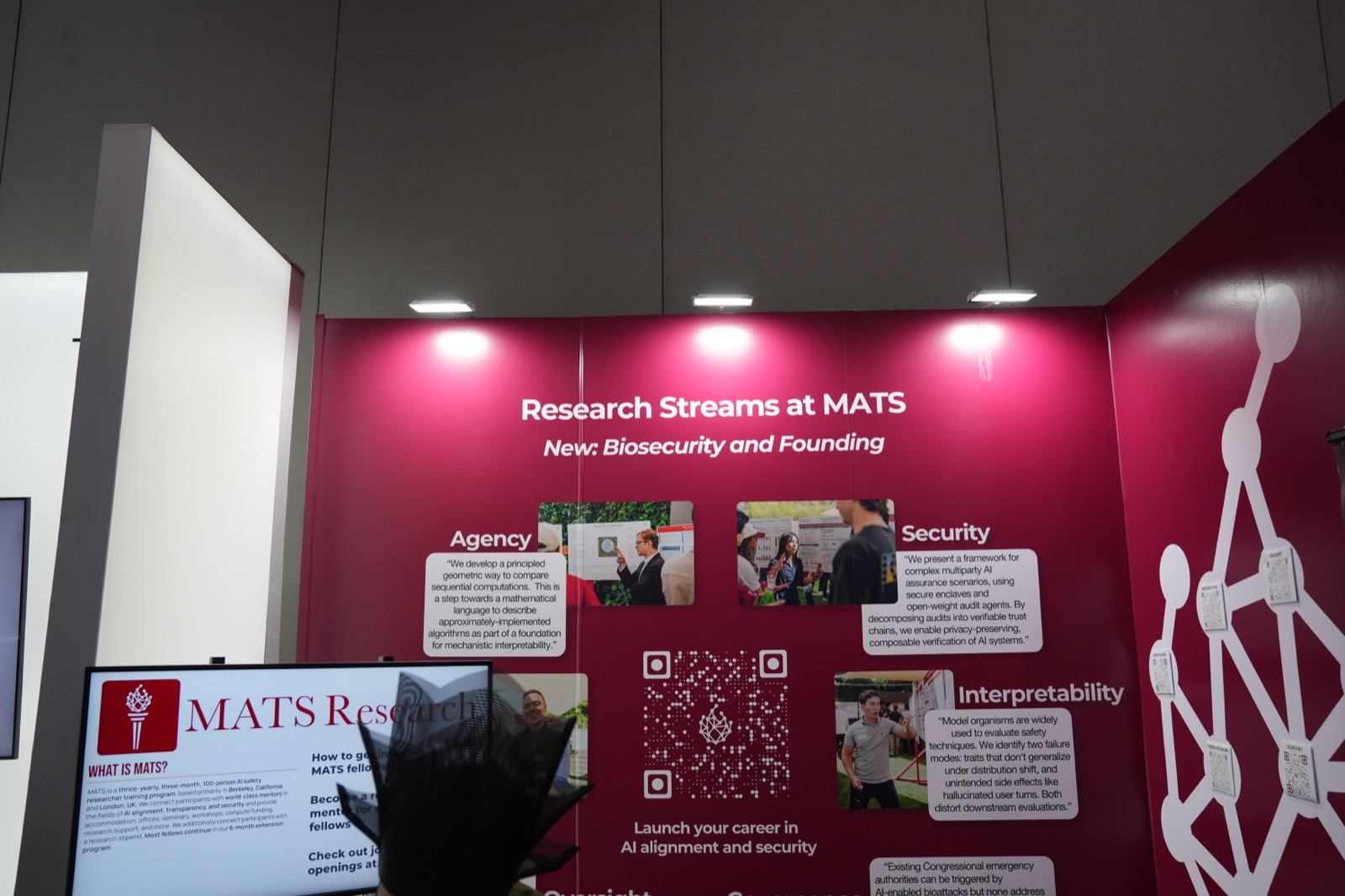
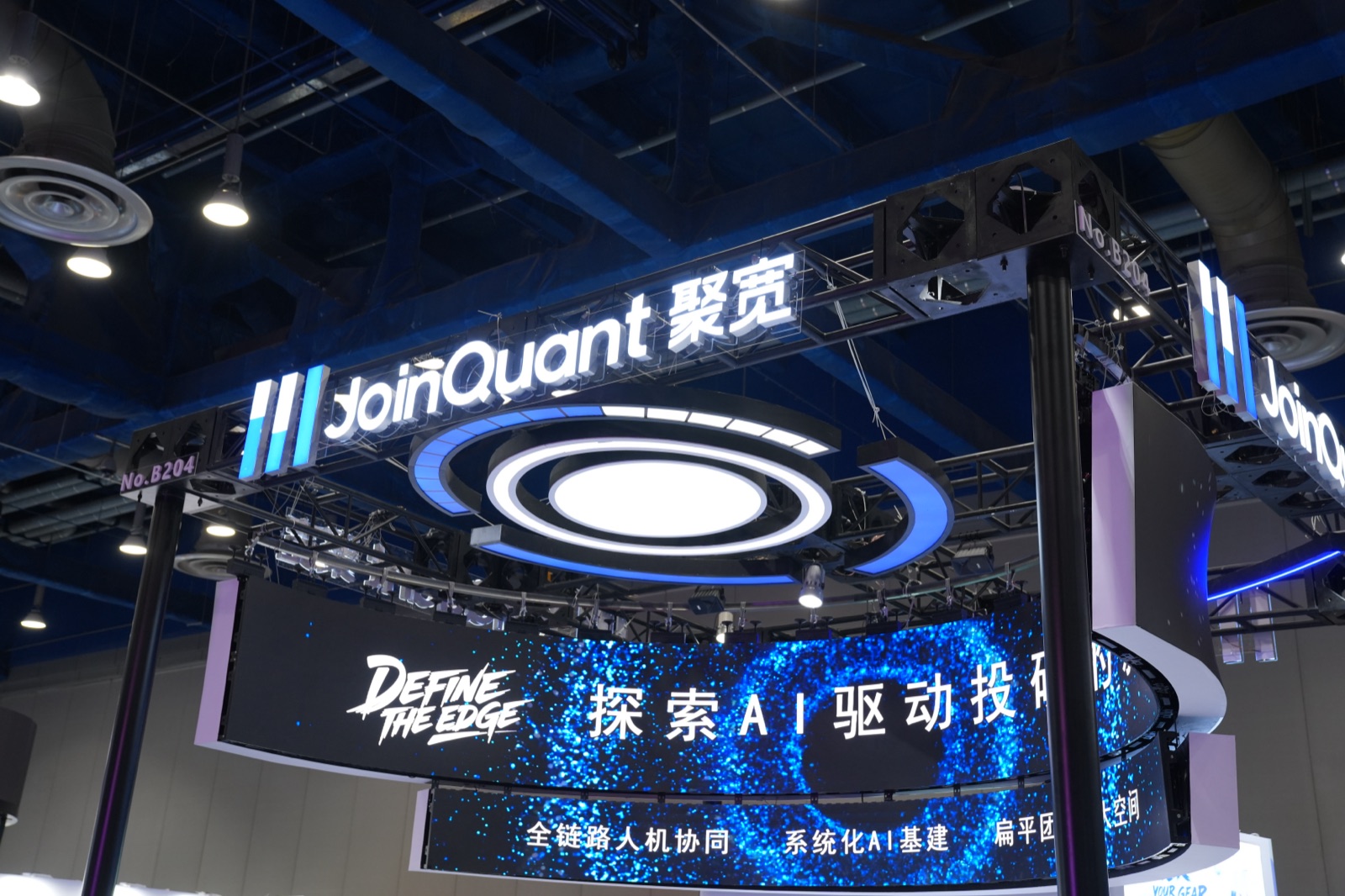
Quant and trading firms were out in force too — Citadel, Jane Street, Jump, and more. Chinese quant firm JoinQuant (聚宽) also had a large booth. They’re very much in the race for ML talent.
Listen to the podcast — EP 104 transcript
We covered what we saw and heard at the booths in more depth in EP 104 “From the GPT-5.6 Launch to ICML”. Jump straight to the matching part of the transcript:
- Big Tech — Big Tech Booth Tours and a Hiring-Centric Expo Floor (19:38)
- Frontier Labs Outside the US — Chinese Company Booths and the Presence of Chinese Researchers (22:27)
- Neoclouds, Infrastructure, and Inference — Neoclouds and the Rise of Inference Serving Companies (24:07) · Korean Infrastructure Players Like VESSL AI and FriendliAI (24:56) · The AI Infrastructure Stack Becoming a Comprehensive Art Form (28:11) · Dedicated Accelerators and the Expansion of the Hardware Optimization Ecosystem (30:45)
- Data Collection Companies — The Expert Data Market Through Scale AI and Handshake AI (33:28)
- General Intuition — General Intuition Building the World Model MIRA with Game Data (37:24)
- ElevenLabs · METR — ElevenLabs Scribe and Sketches from the METR Booth (41:17)